
Three historic performances. Three extraordinary acts of courage and unity. One musician whose relentless pursuit of peace created a winning streak that still resonates around the world.
There are moments in history when music becomes more powerful than politics, when a single voice reaches across divisions that governments cannot bridge, and when an artist transforms an ordinary stage into an extraordinary platform for peace.
Between 1976 and 1980, Jamaican reggae legend Bob Marley accomplished something remarkable three times.
He performed for peace just two days after surviving an assassination attempt. He brought bitter political rivals together in front of thousands of their countrymen. And he travelled to Africa to celebrate the independence of a nation whose liberation struggle had inspired his music.
These were not consecutive victories in the traditional sense. They were three defining milestones in a sustained campaign for human dignity, freedom, and reconciliation.
Each came with enormous risks. Each carried its own historical significance. Together, they established a legacy that extended far beyond the entertainment industry.
This is the story of Bob Marley’s extraordinary winning streak for peace.
Winning Streak No. 1: Smile Jamaica — December 5, 1976
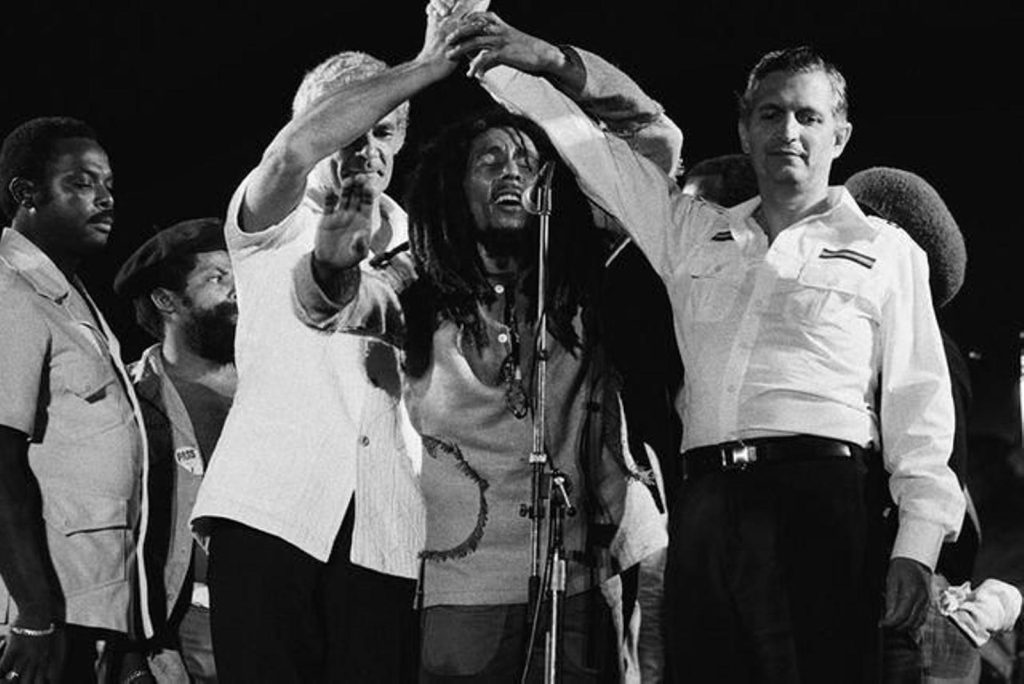
The concert they could not silence
Jamaica was experiencing profound political unrest in 1976.
The governing People’s National Party, led by Prime Minister Michael Manley, and the opposition Jamaica Labour Party, led by Edward Seaga, were locked in an increasingly bitter struggle. Political rivalries spilled into Kingston’s neighborhoods, where armed groups fought for territorial control.
Marley, already an international reggae star, had agreed to perform at a free concert called Smile Jamaica.
Although originally conceived as a celebration of Jamaican music and national unity, the concert became politically controversial after the government scheduled a general election for December 15.
On December 3, 1976, armed men entered Marley’s home at 56 Hope Road in Kingston and opened fire.
Marley was wounded. His wife, Rita, and manager Don Taylor also suffered gunshot injuries. All survived.
The attack occurred just two days before the concert.
For most performers, surviving such an attack would have been sufficient reason to cancel every public appearance.
Marley made another decision.
On December 5, he walked onto the stage at National Heroes Park in Kingston and performed before an estimated 80,000 people.
His appearance was brief compared with a conventional concert, but its symbolism was immense.
An attempt to silence him had failed. His response was not another act of violence but a musical performance in front of the very public the attackers had sought to intimidate.
Shortly afterward, Marley left Jamaica, eventually settling in London, where he recorded some of his most celebrated music.
The achievement: Marley survived an assassination attempt and fulfilled his commitment to perform for peace just 48 hours later.
It was a remarkable act of personal courage, although it did not end Jamaica’s political violence.
Winning Streak No. 2: One Love Peace Concert — April 22, 1978
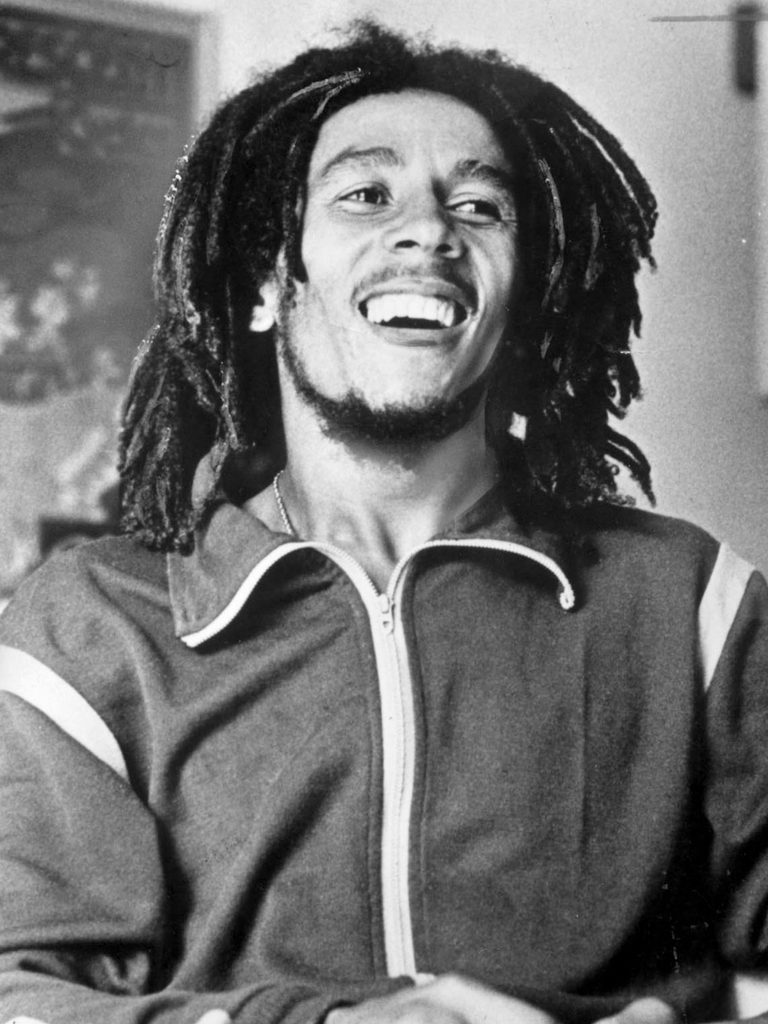
The handshake heard around the world
Nearly sixteen months after leaving Jamaica, Marley returned home in February 1978.
During his absence, he had recorded Exodus, the internationally acclaimed album featuring songs including “Jamming,” “Three Little Birds,” and a new recording of “One Love/People Get Ready.”
His commercial success had grown, but Jamaica’s political divisions remained dangerous.
An extraordinary proposal emerged from rival Kingston neighborhood leaders, including Claudius “Claudie” Massop and Aston “Bucky” Marshall, who wanted to encourage reconciliation between communities aligned with opposing political parties.
Their ambition was to organize a major peace concert with Bob Marley as its principal attraction.
The event became the One Love Peace Concert, held at Kingston’s National Stadium on April 22, 1978.
Thousands gathered to hear reggae performers including Peter Tosh, Dennis Brown, Jacob Miller, and the Wailers.
But it was during Marley’s performance that the concert produced its unforgettable moment.
While performing “Jamming,” Marley invited Prime Minister Michael Manley and opposition leader Edward Seaga onto the stage.
The two men represented competing political movements whose supporters had been engaged in deadly confrontations.
Before the crowd, Marley brought their hands together and raised them high.
For a brief moment, Jamaica’s political rivals stood united beneath the outstretched arms of a reggae musician.
The image travelled around the world.
It became one of the most recognizable photographs in the history of music and political reconciliation.
Marley had accomplished something that no conventional concert promoter could have guaranteed: persuading two powerful political opponents to participate in a public gesture of unity.
Nevertheless, the historical record requires an important distinction.
The handshake was symbolic, not a permanent political settlement. Violence continued in Jamaica, becoming especially severe during the 1980 election campaign.
Marley had not conquered political conflict.
He had demonstrated that even deeply divided adversaries could be brought together, however briefly, through the cultural authority of music.
The achievement: Marley transformed a public performance into an internationally recognized moment of reconciliation between rival political leaders.
It remains an extraordinary example of an entertainer influencing the public conversation about peace.
Winning Streak No. 3: Zimbabwe Independence — April 1980
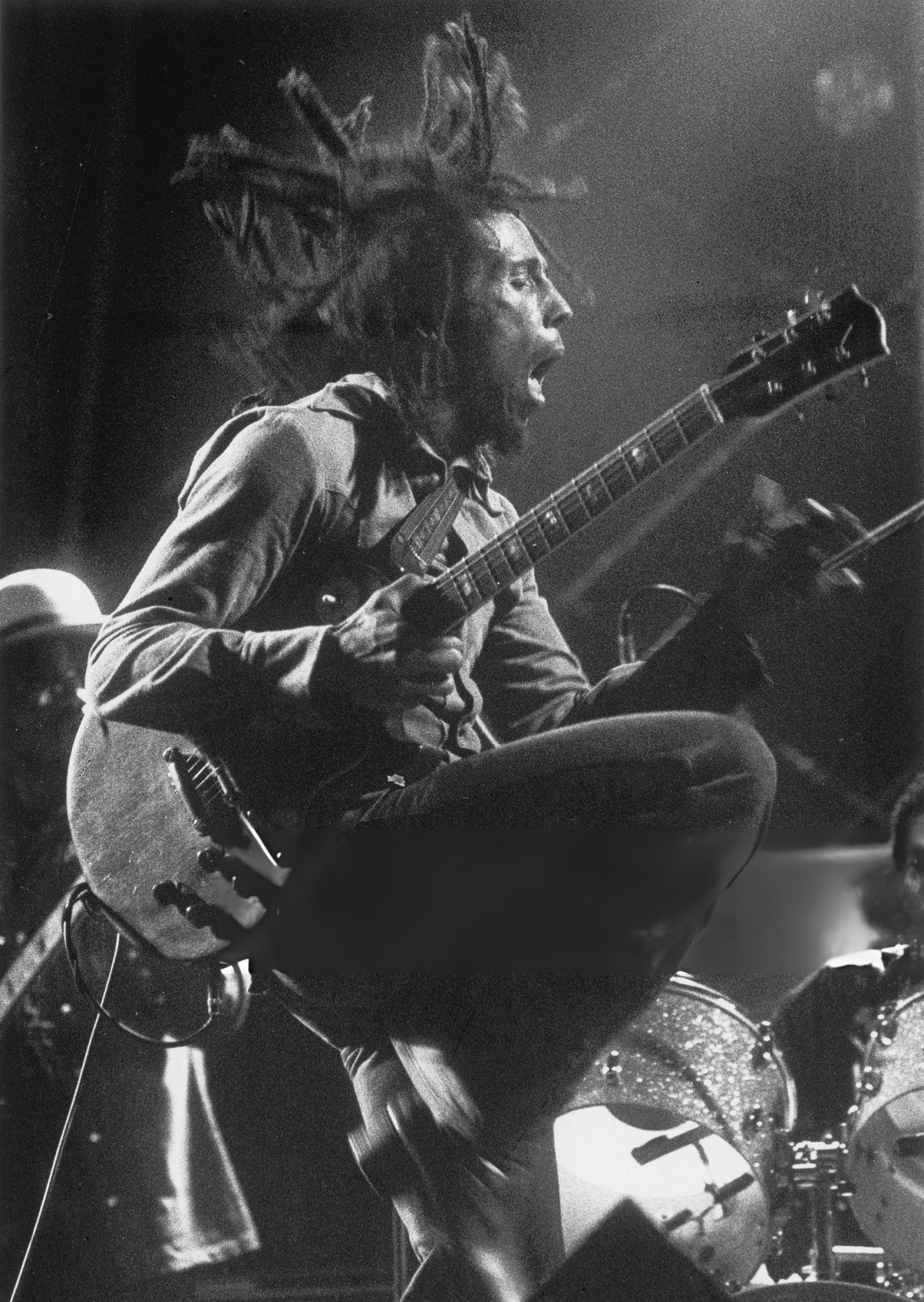
From Jamaica to a liberated African nation
By 1980, Bob Marley had become far more than a Jamaican entertainer.
His music carried messages about African identity, resistance to colonialism, social justice, and freedom.
Those themes found a particularly receptive audience in southern Africa, where liberation movements were struggling to end white-minority rule.
In 1979, Marley released Survival, an album devoted to African unity and emancipation.
Among its most significant compositions was “Zimbabwe,” a song inspired by the liberation struggle in what was then Rhodesia.
Within months, the country was preparing to become the independent Republic of Zimbabwe.
Marley was invited to participate in the independence celebrations.
He accepted.
Rather than simply appearing as a celebrity guest, Marley committed substantial personal resources to transport the Wailers, equipment, and production arrangements to Africa.
The band appeared at Rufaro Stadium in Salisbury, soon to be renamed Harare, during the celebrations spanning April 17–18, 1980.
The occasion was historic.
Zimbabwe was entering a new chapter after years of armed conflict, colonial rule, and political struggle.
The official ceremony attracted international dignitaries, but enormous crowds also gathered outside the stadium, hoping to witness the performances.
When spectators attempted to enter, police deployed tear gas. The fumes disrupted the concert, forcing musicians from the stage.
Marley returned to perform “Zimbabwe.”
The following day, he and the Wailers gave another concert, free to the public, before an enormous audience.
The musician whose songs had expressed solidarity with African liberation was now performing in a country celebrating its independence.
It was an extraordinary intersection of art and history.
The achievement: Marley carried his message of freedom beyond Jamaica and participated directly in the celebration of Zimbabwean independence, culminating in an additional free concert for the public.
The moment did not guarantee Zimbabwe a peaceful or democratic future. Its significance lay in Marley’s solidarity with a population emerging from colonial rule.
The Winning Streak Behind the Music
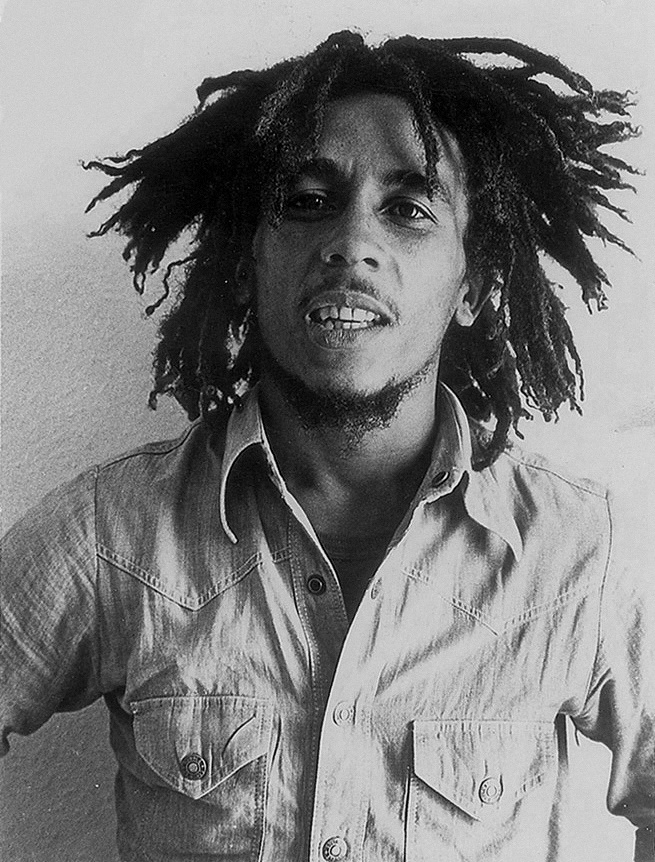
What made Bob Marley’s accomplishments extraordinary was not simply his willingness to perform under difficult circumstances.
His music had become a vehicle for ideas that transcended nationality, language, and political affiliation.
Marley drew heavily upon Rastafari, Jamaican cultural traditions, the history of African peoples, and the everyday experiences of communities facing poverty and injustice.
His songs were frequently joyful, but they were rarely detached from the world around him.
“Get Up, Stand Up” challenged oppression.
“Redemption Song” confronted the legacy of enslavement and the struggle for liberation.
“One Love” invited listeners to imagine human solidarity beyond divisions.
The music could be celebratory and confrontational, spiritual and political, intensely local and unmistakably international.
That combination helped Marley reach audiences far beyond the traditional market for Jamaican reggae.
His greatest strength was turning serious messages into music people wanted to hear, remember, and share.
And unlike many entertainers whose humanitarian commitments remain separate from their performances, Marley integrated those commitments into the very fabric of his artistic identity.
Peace was not merely a cause he occasionally supported.
It was a recurring subject of his creative work.
The Final Years of an Extraordinary Life
Bob Marley was born Robert Nesta Marley on February 6, 1945, in Nine Mile, Jamaica.
He rose from modest beginnings to become one of the most influential musical figures of the twentieth century.
In 1977, he was diagnosed with acral lentiginous melanoma, a serious form of skin cancer.
Despite his illness, he continued recording, travelling, and performing.
His final studio album released during his lifetime, Uprising, appeared in 1980.
On May 11, 1981, Marley died in Miami, Florida.
He was just 36 years old.
His life had been remarkably short, yet his cultural influence extended across continents.
In 1994, he was inducted into the Rock & Roll Hall of Fame. His recordings continued to reach generations born long after his death.
The music endured because its subjects endured.
Questions of justice, identity, freedom, conflict, and reconciliation remained relevant wherever people sought a more peaceful future.
The Winning Streak Legacy: One Love
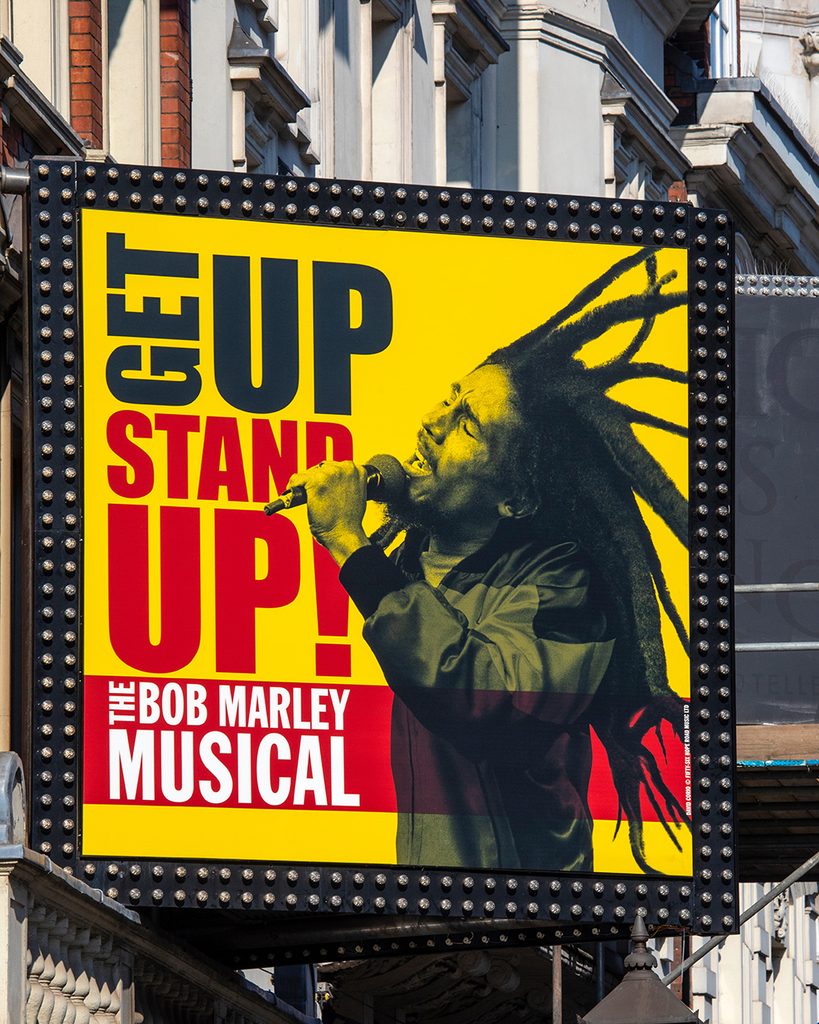
It would be historically inaccurate to claim that Bob Marley ended political violence in Jamaica or secured lasting peace through three concerts.
That was never the measurable outcome of his remarkable performances.
Instead, his achievements tell a more credible—and perhaps more important—story.
In 1976, he refused to allow an assassination attempt to prevent a promised public performance.
In 1978, he brought rival political leaders together in a symbolic gesture witnessed by thousands.
In 1980, he helped celebrate the liberation of an African nation whose struggle he had championed through song.
Three extraordinary moments. Three successive chapters in a career of artistic courage. One consistent commitment to the dignity and freedom of humanity.
Marley’s winning streak was not a series of wars won or enemies defeated.
It was a sequence of occasions when music challenged fear, division, and oppression.
More than four decades after his death, the message continues to travel.
The world remembers Bob Marley not simply because he became an international superstar, but because he demonstrated how an artist could repeatedly use fame to amplify the human desire for peace.
And that is a legacy worth preserving.
Bob Marley (1945–1981). Three landmark performances for peace and freedom. One enduring message: One Love.
Winning Streak chronicles remarkable sequences of human achievement, investigating the history, individuals, decisions, and circumstances that made them possible.
Historical Research & Sources
- Bob Marley Official History — The artist’s life, recordings, and Zimbabwe independence performances.
- Bob Marley: Legend — Smile Jamaica to One Love Peace Concert — Archival photographs and concert chronology.
- HISTORY — How Bob Marley Used the One Love Concert as a Gesture for Peace — Political context and the legacy of the concert.
- Jamaica Gleaner — Competition Creates Historic Peace Concert Moment — Jamaican reporting on the 1978 handshake.
- Al Jazeera — When Bob Marley Serenaded Zimbabweans Celebrating Independence — Historical accounts of the 1980 celebrations.