One Man Against the Machinery of Secrecy
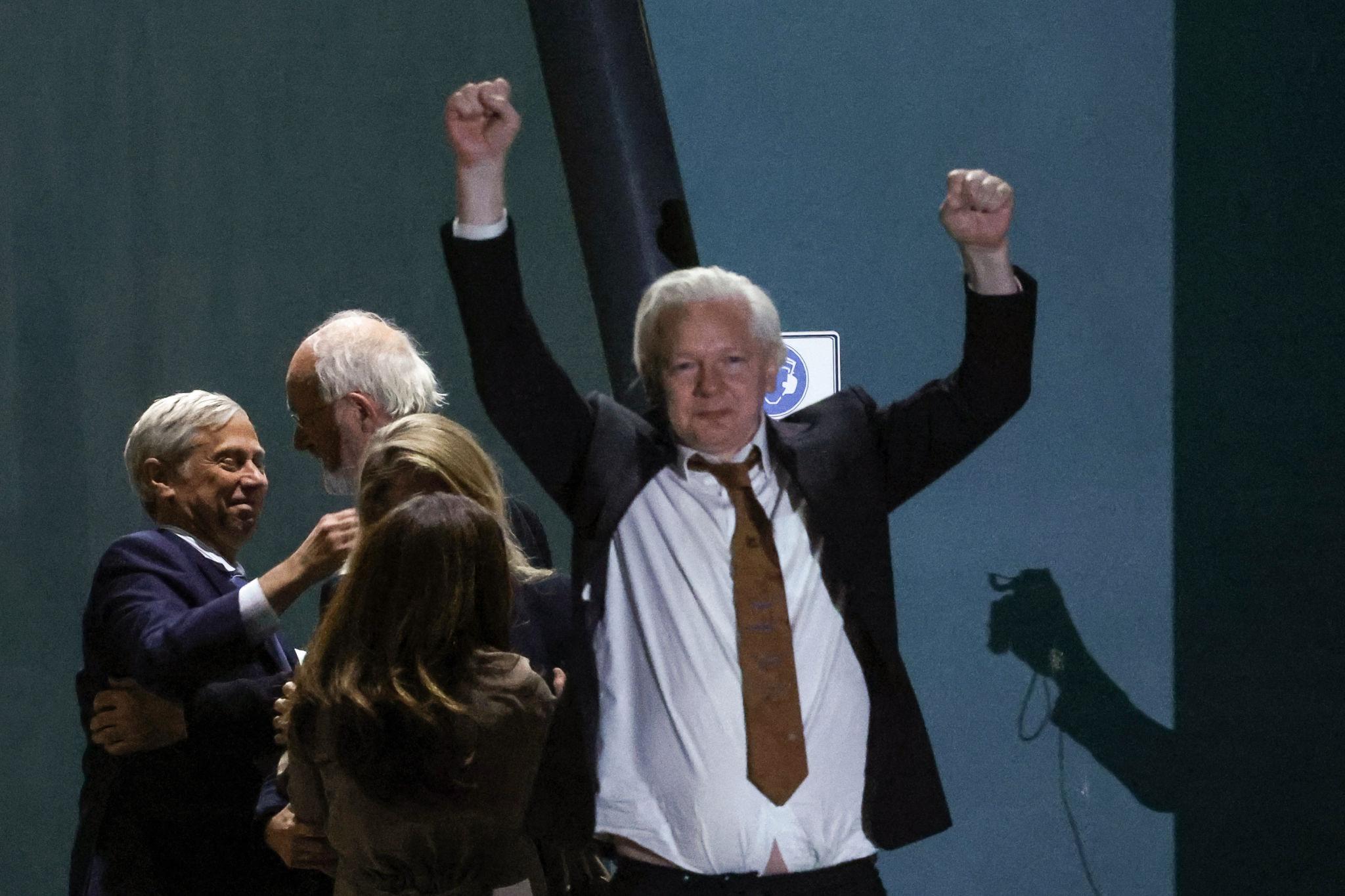
On June 26, 2024, an Australian journalist and publisher stepped off an aircraft in Canberra, raised his fist, and returned to a country he had not seen in more than twelve years.
His name was Julian Assange.
For seven years, he had lived inside Ecuador’s embassy in London. For another five, he had been imprisoned at Britain’s high-security Belmarsh prison.
His freedom had come at a considerable price: a guilty plea under the United States Espionage Act.
But the sight of Assange returning home marked a remarkable conclusion to one of the longest and most consequential legal struggles in modern publishing.
His story began not in a newsroom, a parliament, or a courtroom.
It began with a computer and an idea.
What if ordinary people could examine the secrets that powerful institutions wanted to keep hidden?
That question would change investigative journalism forever.
2006: The Birth of WikiLeaks
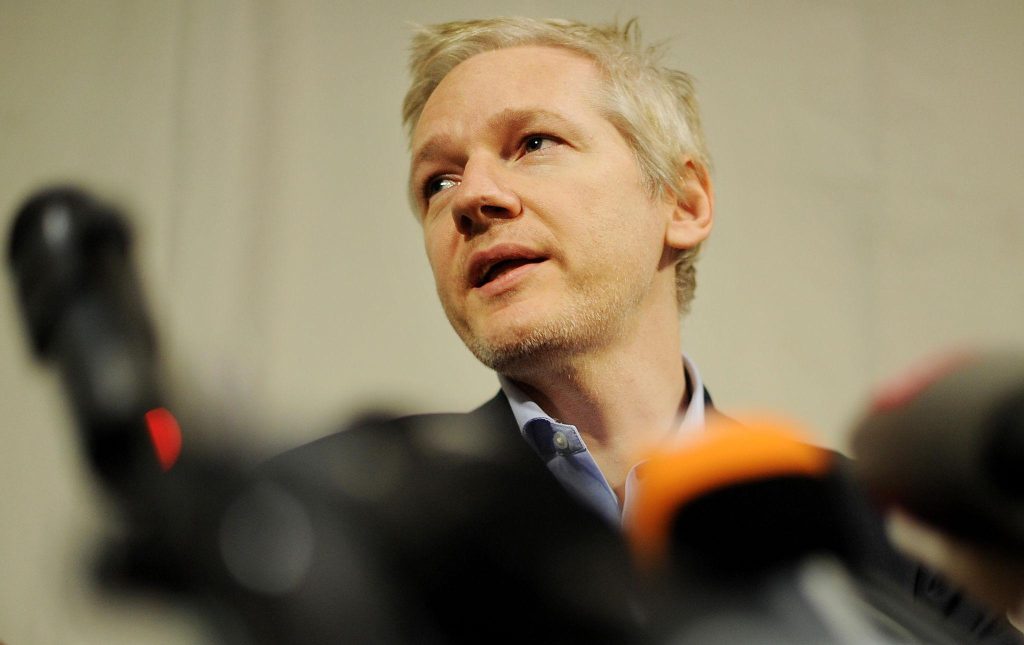
Born in Townsville, Australia, on July 3, 1971, Assange developed an early fascination with computer systems, cryptography, and the movement of information.
He recognized that the internet offered something previously unavailable to independent publishers: the ability to receive enormous volumes of documents, protect confidential communications, and distribute information across national borders.
In 2006, he helped establish WikiLeaks.
Its founding concept was revolutionary.
Instead of relying exclusively on journalists cultivating confidential sources, WikiLeaks sought to create a digital infrastructure through which whistleblowers could submit information for examination and publication.
The target was institutional secrecy, whether governmental, military, diplomatic, or corporate.
Assange believed that making significant concealed information public could force institutions to become more accountable.
It was an ambitious experiment in radical transparency.
And within four years, it would place him at the center of world affairs.
2009: Recognition Before the Storm
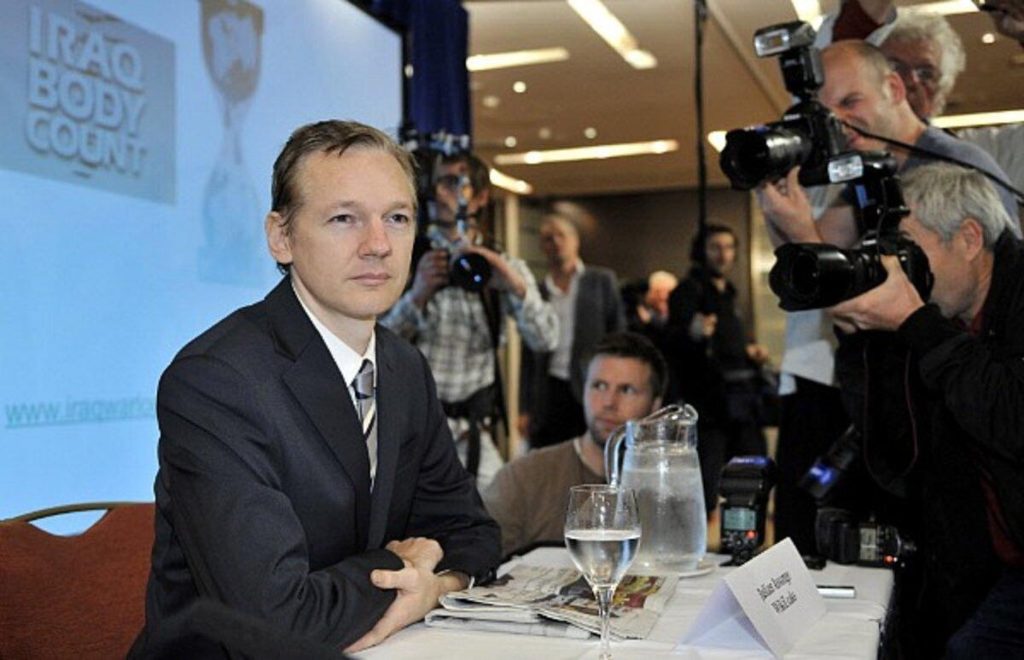
Before WikiLeaks became internationally famous, it had already begun publishing material concerning government misconduct, financial institutions, and human rights abuses.
One early breakthrough involved a report on extrajudicial killings and disappearances in Kenya.
In 2009, WikiLeaks and Assange received an Amnesty International UK Media Award in the New Media category for publishing the report Kenya: The Cry of Blood.
The award demonstrated that independent digital publishers could contribute meaningfully to investigative reporting.
WikiLeaks had begun to attract international recognition.
But the scale of what followed in 2010 was unprecedented in its history.
2010: Four Disclosures That Shook the World
Within eight months, WikiLeaks carried out a succession of publications that fundamentally altered its global profile.
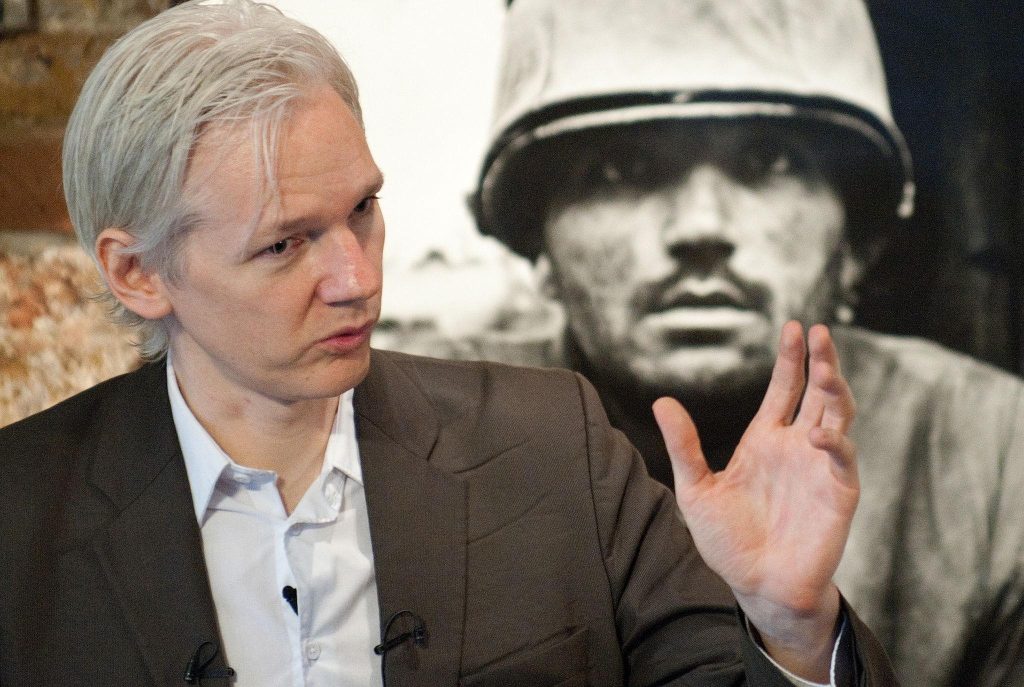
April 5: The Baghdad Helicopter Video
WikiLeaks released classified footage from a July 12, 2007, U.S. Apache helicopter attack in Baghdad.
The footage showed an engagement in which people were killed, including Reuters journalists Namir Noor-Eldeen and Saeed Chmagh.
WikiLeaks gave the video the provocative title Collateral Murder.
The material generated fierce debate over military conduct, civilian casualties, and the public’s right to inspect evidence from war zones.
It also raised questions about the editorial framing of classified material.
For Assange, it represented an enormous breakthrough: a small independent publishing operation had brought classified military footage before a worldwide audience.
July 25: The Afghan War Logs
WikiLeaks began publishing a collection of approximately 90,000 classified U.S. military reports concerning the war in Afghanistan.
The reports described military operations, civilian casualties, intelligence assessments, and the difficulties of conducting the war.
Major news organizations, including The Guardian, The New York Times, and Der Spiegel, worked with the material.
This collaboration demonstrated that WikiLeaks could operate alongside established international newsrooms.
October 22: The Iraq War Logs
The next major disclosure involved nearly 400,000 U.S. military reports concerning Iraq.
The records exposed previously undisclosed information about civilian deaths, detainee abuse, and the conduct of Iraqi security forces.
The documents contributed to an important reassessment of how the Iraq War had been documented and publicly understood.
November 28: Cablegate
WikiLeaks began publishing material from approximately 250,000 U.S. diplomatic cables.
The documents offered an extraordinary view of confidential diplomatic reporting, including assessments of foreign governments, regional conflicts, and international relationships.
The disclosures provoked protests from governments, generated investigative reporting across the world, and created an urgent debate over diplomatic confidentiality.
Four major publishing breakthroughs in a single year.
The scale and international reach of these releases established 2010 as WikiLeaks’ defining period.
The underlying military and diplomatic documents had been supplied by U.S. Army intelligence analyst Chelsea Manning, whose role and subsequent prosecution became inseparable from the history of the disclosures.
The Price of Transparency
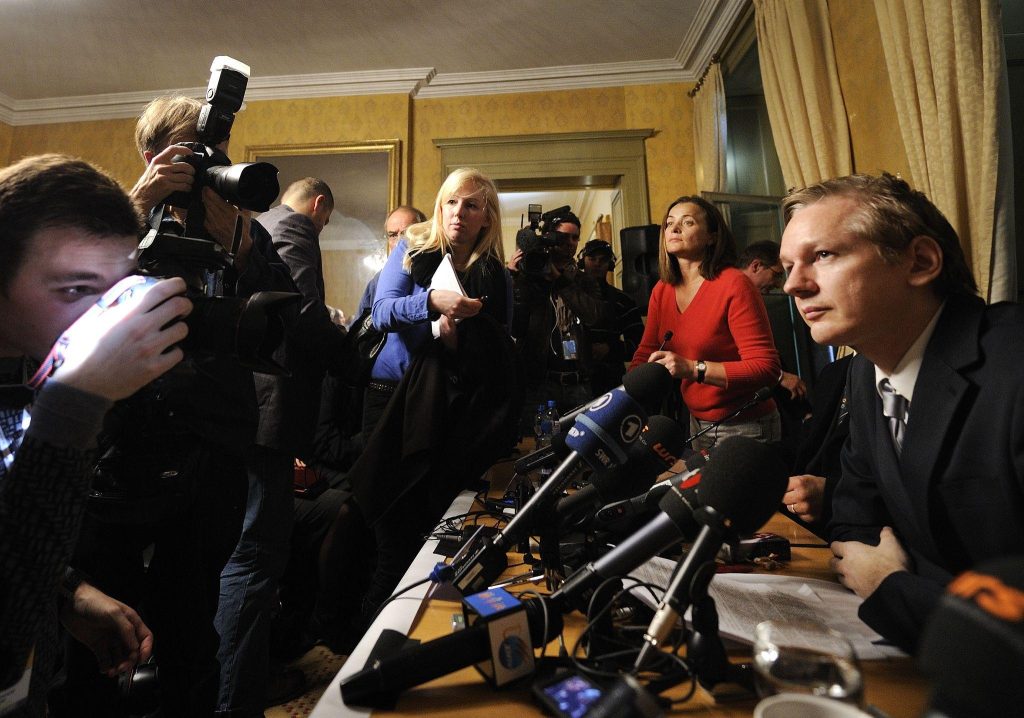
Assange’s methods were controversial from the beginning.
Supporters regarded WikiLeaks as a powerful new instrument for public accountability.
Critics argued that publishing classified material could endanger confidential sources, compromise intelligence operations, and undermine legitimate diplomatic activity.
The United States government maintained that Assange had participated in unlawfully obtaining national defense information and had published identifying details of sensitive sources.
Questions also emerged about WikiLeaks’ handling of personal information, the redaction of documents, and its political influence.
In 2016, WikiLeaks published emails stolen from Democratic Party organizations during the U.S. presidential election campaign. American investigators later attributed the hacking and transfer of stolen material to Russian military intelligence.
These developments complicated Assange’s legacy. They demonstrated that transparency can have consequences extending far beyond the exposure of government misconduct.
The same publishing model that enabled major public-interest disclosures also raised difficult questions about privacy, national security, and the responsibilities of editors.
For Winning Streak, that distinction matters.
Historical significance does not require that every decision be celebrated.
2012–2019: Seven Years Inside an Embassy
Assange’s legal difficulties intensified in 2010, when Swedish authorities investigated allegations of sexual offences that he denied.
After prolonged extradition proceedings in Britain, he entered Ecuador’s embassy in London in June 2012 and was granted political asylum.
He remained there for nearly seven years.
During this period, WikiLeaks continued operating, but Assange’s movements were severely restricted.
In April 2019, Ecuador withdrew his asylum. British police arrested him, and he was subsequently imprisoned at Belmarsh.
Swedish prosecutors discontinued their remaining investigation later that year without bringing charges.
Meanwhile, the United States sought his extradition in connection with WikiLeaks’ publication of classified military and diplomatic information.
What began as an experiment in digital publishing had evolved into an international legal confrontation.
2019–2024: Five Years in Belmarsh
Assange spent more than five years imprisoned in Britain while challenging extradition to the United States.
The American case included allegations under the Espionage Act and computer-crime legislation.
His supporters organized international campaigns demanding his release.
Press freedom organizations, legal scholars, politicians, journalists, and human rights advocates became involved.
The central legal question extended beyond Assange personally.
Could a publisher face prosecution under espionage legislation for obtaining and disclosing classified government information?
The Committee to Protect Journalists and other organizations warned that prosecuting Assange risked discouraging investigative journalism involving national security information.
U.S. prosecutors argued that his conduct crossed the boundary between protected publishing and unlawful participation in obtaining and disclosing classified material.
The dispute became a test of how democratic societies balance national security with the public’s right to know.
June 26, 2024: The Return to Australia
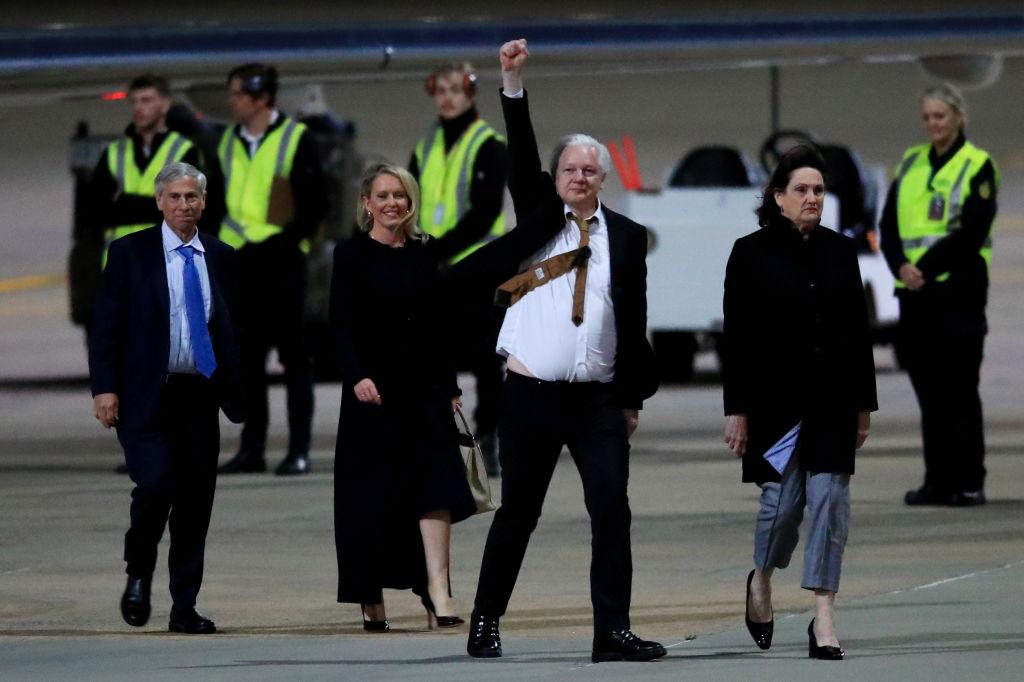
After years of litigation, Assange reached an agreement with the U.S. Department of Justice.
He pleaded guilty in a federal court in Saipan, in the Northern Mariana Islands, to one count of conspiracy to obtain and disclose national defense information.
He received a sentence of 62 months, satisfied by the time he had already spent in British custody.
The agreement allowed him to return to Australia.
It was not a courtroom exoneration. His felony conviction remained part of the legal outcome.
But it ended his imprisonment and the immediate threat of extradition.
For Assange, his family, and supporters around the world, the return home represented a deeply significant personal victory.
For the broader press freedom movement, it left important questions unresolved.
October 2024: A Warning to the World
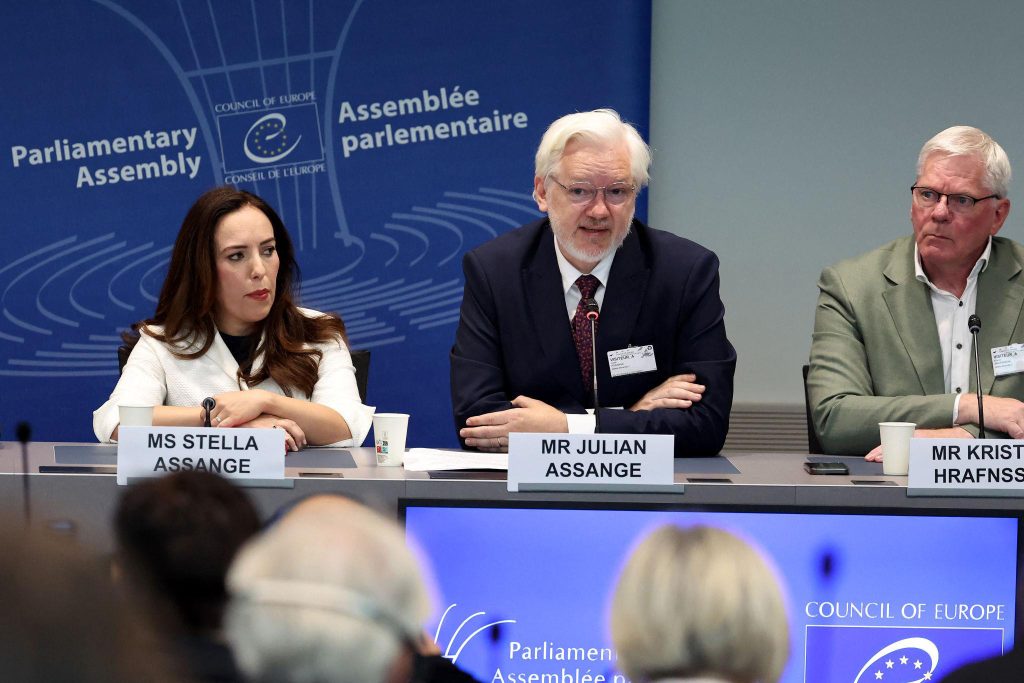
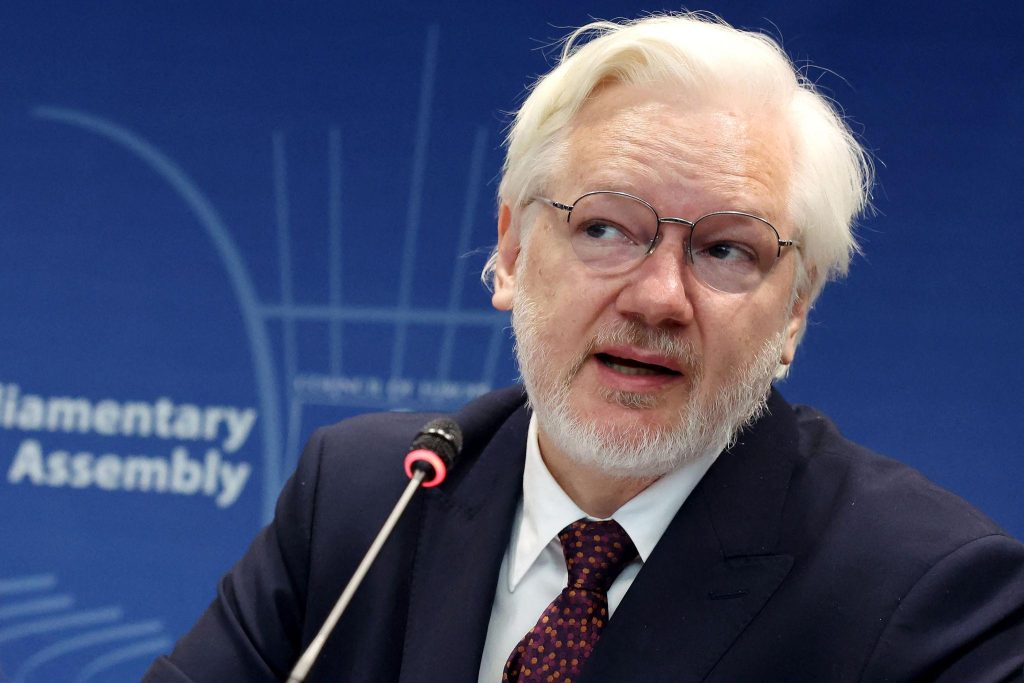
On October 1, 2024, Assange appeared before the Parliamentary Assembly of the Council of Europe’s Committee on Legal Affairs and Human Rights in Strasbourg.
It was his first major public appearance following his release.
He told parliamentarians:
“I pleaded guilty to journalism.”
The statement represented Assange’s interpretation of his prosecution, rather than the legal basis of his conviction.
The following day, the Assembly adopted Resolution 2571, expressing concern about the treatment he had received and the possible chilling effects on journalism and whistleblowing.
It also considered his circumstances sufficient to designate him a political prisoner under the Assembly’s criteria.
This was a significant institutional response, although not a reversal of the U.S. conviction.
Even after securing his freedom, Assange remained part of an international debate over journalism, state secrecy, and individual rights.
The Winning Streak: An Idea That Refused to Disappear
Julian Assange’s record does not resemble the conventional winning streak of an athlete, entrepreneur, or military commander.
He experienced serious setbacks, years of confinement, a criminal conviction, and sustained public controversy.
Yet the enterprise he helped create produced a remarkable succession of disclosures and permanently influenced the way governments, journalists, and citizens think about confidential information.
The achievements are measurable:
- 2006: WikiLeaks established a new model for receiving and publishing sensitive documents.
- 2009: Its reporting received recognition from Amnesty International.
- 2010: Four major disclosures transformed the international debate about military and diplomatic secrecy.
- 2012–2024: Assange’s confinement and prosecution became a global press freedom issue.
- 2024: His release ended a prolonged international legal struggle and brought renewed parliamentary attention to protections for journalists and whistleblowers.
The winning streak was therefore not one of uninterrupted personal victories.
It was the persistence of an idea through repeated confrontation.
The Winning Streak Verdict
Some historical figures build institutions.
Others create technologies, conquer territories, or establish financial empires.
Julian Assange helped develop a method for challenging the control of information itself.
He demonstrated that a relatively small digital publishing organization could compel the attention of governments, militaries, intelligence agencies, and international news organizations.
He also exposed the profound difficulties of deciding what should be made public, what should remain confidential, and who should bear responsibility for the consequences.
His legacy will remain contested.
But his influence on twenty-first-century publishing is undeniable.
The extraordinary achievement of Julian Assange was not that he won every battle. It was that the questions raised by WikiLeaks survived every battle he lost.
From a computer in 2006 to a return home in 2024, the story spans eighteen years of publishing breakthroughs, institutional resistance, controversy, and endurance.
And it leaves the world with a question that remains as relevant as ever:
Who has the right to control the truth—and who has the responsibility to reveal it?
Winning Streak — Historical Intelligence
Discovering the consecutive achievements that changed history.